North China Source · Wine Labels & Packaging for European Wineries [email protected]  |  Tel / WeChat +86 159 0229 1668
NCS North China SourceWine Labels · Packaging
Home  /  Short runs
Short runs & MOQ

A run of 1,000 is a normal order here

How the quantities work, how the pricing tiers behave, and an honest account of when printing labels in China makes sense for a European estate — and when it does not.

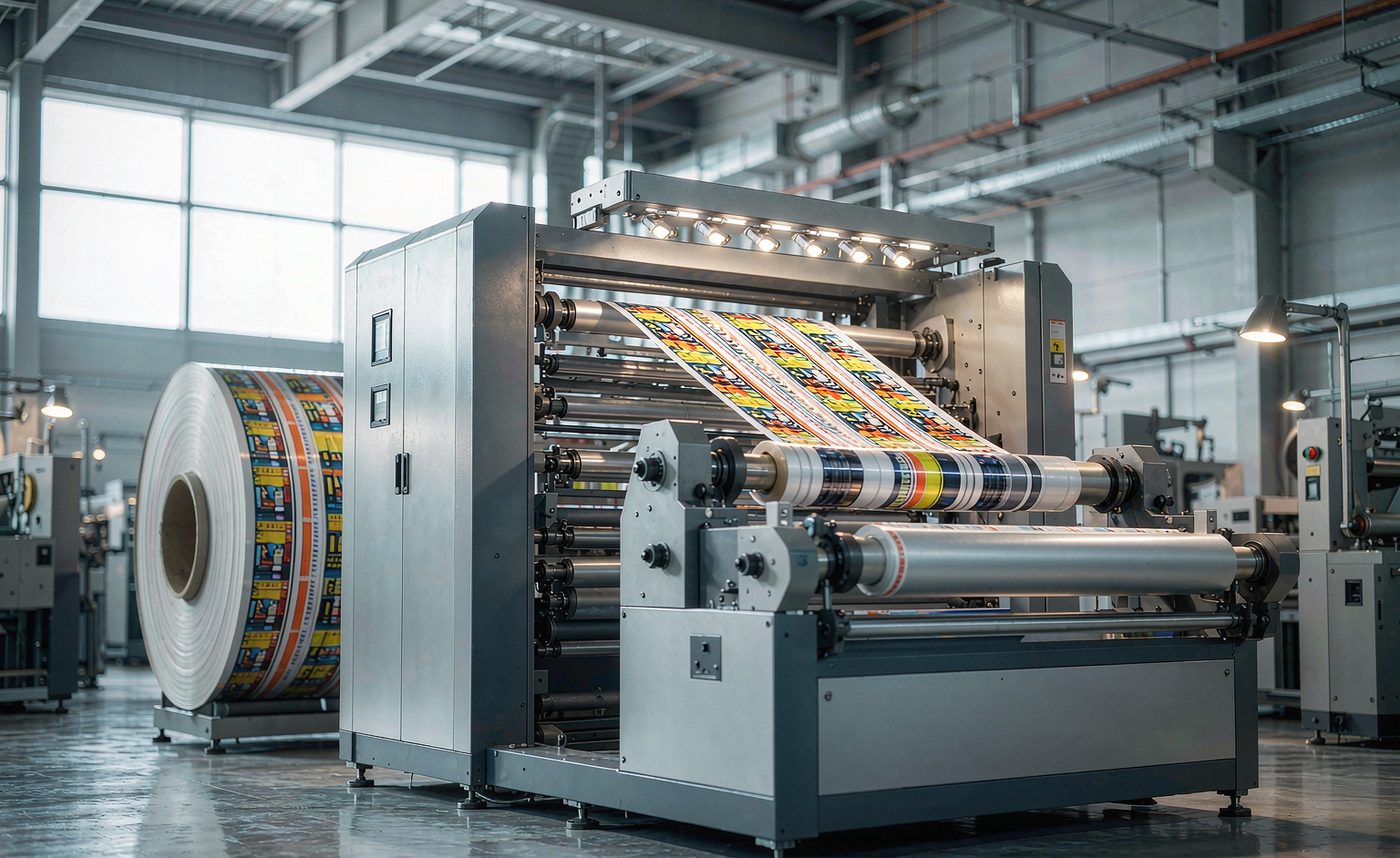
A short-run label printing press running self-adhesive stock
Why short runs are expensive at home

Fixed costs, divided by fewer labels

On a conventional label press, the paper is cheap and the set-up is not. Plates, make-ready and wash-up are paid before the first good label comes off the line — and those costs are the same whether the run is 2,000 or 50,000. Divide them by a small run and the price per label stops being realistic.

That is the position most European estates are in for their smaller wines: the single-vineyard bottling, the sweet wine with a few hundred cases, the new label for a new market. Their local printer is not refusing the work — the arithmetic simply does not close.

Our workshops run digital and short-run flexo lines where the fixed cost per order is a fraction of a long-run press, inside a cluster where paper, dies and finishing sit within a few kilometres. Short runs are their daily business, not a special accommodation.

Quantities & pricing

The tiers we quote against

Every design is quoted at three quantities so you can see exactly where the curve flattens and decide how much stock to carry. Prices are given per design — a range of wines means a range of quotations, not one blended number.

ProductTier 1Tier 2Tier 3Quoted as
Bottle labels — front / back / neck, per design 1,0003,0005,000 FOB Tianjin, USD per label
Neck tags — per design 1,0003,0005,000 FOB Tianjin, USD per tag
Six-bottle cartons — per design 1,0003,0005,000 FOB Tianjin, USD per carton
Gift & presentation boxes — per design 1,0003,0005,000 FOB Tianjin, USD per box

What moves the price

Stock family, number of Pantone colours, foil and emboss operations, and total order volume. Two designs sharing a stock and finish schedule cost less each than two designs that do not.

Combined runs

Several designs produced together share press time and materials. For a range of wines this is usually the difference between short runs being merely possible and being genuinely economical.

Repeats

Once a design is on file, repeat runs start faster and cost less than the first — no new proof cycle, no new dies, and the colour standard is already set.

Structuring an order

How a forty-wine estate actually orders

The mistake is to think of an order as one label. A range is an order with many small lines — and that is precisely what a short-run operation is built to handle.

Send the range, not the label

List the wines with rough annual volumes per design. A rough split — two wines carry 60% of volume, the rest tail off — is enough to start.

Group by stock & finish

We group the designs that share a stock family and finish schedule. Those combine into efficient runs; the odd ones are priced honestly on their own.

Choose your depth

High-volume wines get deeper tiers; small cuvées stay at 1,000 and repeat more often. The tier table lets you make that call per design, with numbers.

Ship as one consignment

Labels, neck tags and cartons are consolidated and shipped together — freight divided across the whole order instead of carried by one line.

The honest section

When China makes sense — and when it does not

Freight and duty are real, and we would rather lose an order than pretend otherwise. Here is the decision as we see it, from the inside of the trade.

Probably yes

Ranges with many designs at small volumes; labels with foil, emboss or textured stock where local set-up costs dominate; a new design that needs a run before your printer's next scheduled slot; cartons and boxes ordered alongside the labels; and anything where the label programme changes every year rather than every five.

Probably no

A single flagship design at 50,000+ labels every year — your local printer wins on freight and speed alone; labels needed in days rather than weeks; and regulatory situations where certification must be local. Say so, and we will tell you so too.

Lead time, honestly. Count on roughly 2–3 weeks from proof approval to goods ready at Tianjin, then sea freight to your port. Plan vintages around it and it disappears as a problem; treat it as a local printer's turnaround and it will disappoint you. Repeats are faster than first runs.

Send the range and see the numbers

A list of wines with rough volumes is enough. You will get tier pricing per design — and an honest opinion on which lines we should not be printing.

Request a quote